Almost everyone gets nervous when a microphone is switched on. It happened to me at the beginning too, and after many years in radio and television I still feel that flutter before we start. The difference is that I have learned to use it. These are the public speaking tips I repeat most often to people who come to record at the studio for the first time.
The first step is accepting that you will be nervous. Trying not to be only adds pressure. On the other hand, if you think of that energy as something that keeps you alert and focused, you can make use of it. In fact, people who feel nothing before speaking often sound flat.
The microphone does not need you to shout. On the contrary, if you speak a hand’s width away from it in your normal tone, your voice sounds close and warm. Also, keeping the same distance all the time stops the volume going up and down. If you want to understand why each microphone behaves differently, we explain it in which podcast microphone to choose.
It also helps to think of a single person. You are not speaking to thousands of listeners, but to someone listening on headphones while they walk or drive. That image completely changes the way you speak.
Something similar happens with the camera. Look at the lens as if it were the eyes of a specific person, not a machine. However, do not try to stay as still as a statue: moving your hands naturally brings what you say to life. What you should avoid are repeated gestures, such as touching your hair or rocking on the chair.
If you are going to record short videos regularly, it is worth practising in a comfortable setting. At the studio we often do this with professionals who want to speak to camera for their social media, and after a few sessions the change is obvious. We explain how in social media video production.
It happens to everyone. The key is not to make a drama of it. Pause, breathe and go back to the last idea you were clear about. The audience hardly ever notices a three-second silence, even though it feels endless to you. And if you are recording, remember that you can always do it again.
There is no magic trick. People who speak well in public are, almost always, people who have spoken many times. So look for chances to practise: a presentation at work, a long voice message to a friend or an interview on a podcast. If you are the one asking the questions, our guide on how to conduct an interview will help.
Deep down, speaking in public is a form of conversation, as the Cambridge Dictionary definition of public speaking suggests. But you do not need to be a great orator to communicate well: you only need something to say and the courage to say it.
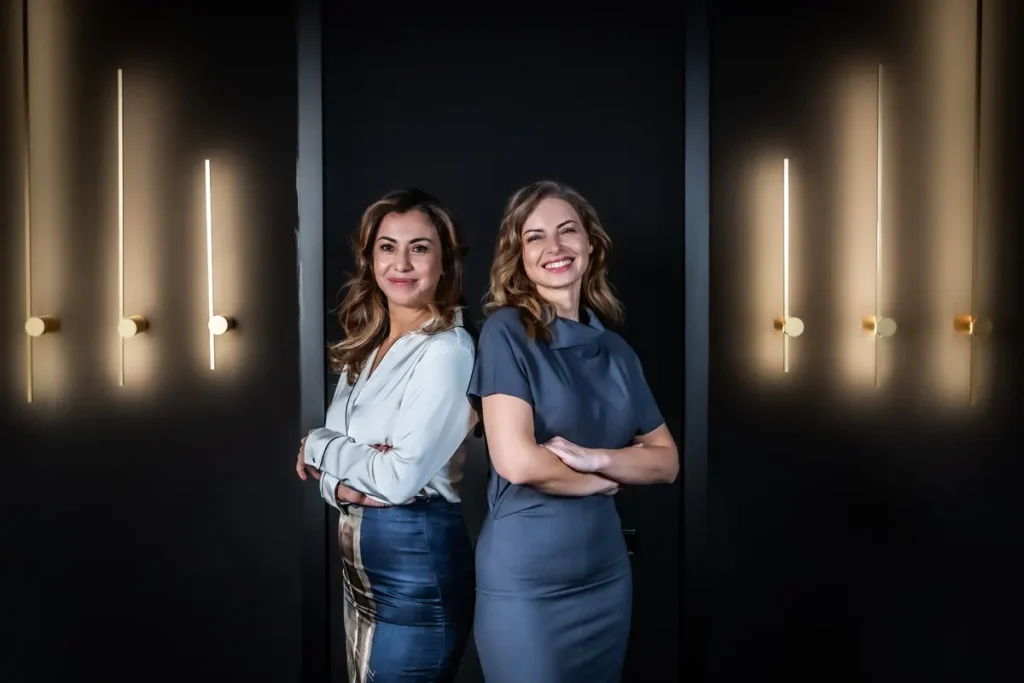
Written by Adina Harnagea, journalist and co-founder of the studio.